
Creatives For Our Future: The Fifth Cycle Opens for Applications
Creatives For Our Future
The world is facing increasingly interconnected environmental and social challenges that demand new ways of thinking, creating and leading. Creativity has a critical role to play in shaping a more sustainable future — from reimagining materials and systems to developing new technologies, products and approaches that can accelerate progress towards the United Nations Sustainable Development Goals.
Yet emerging creatives continue to face structural barriers to opportunity, visibility and sustainable career pathways. Investing in diverse young talent is therefore essential to ensuring that the ideas shaping our future come from a broad range of voices and perspectives.
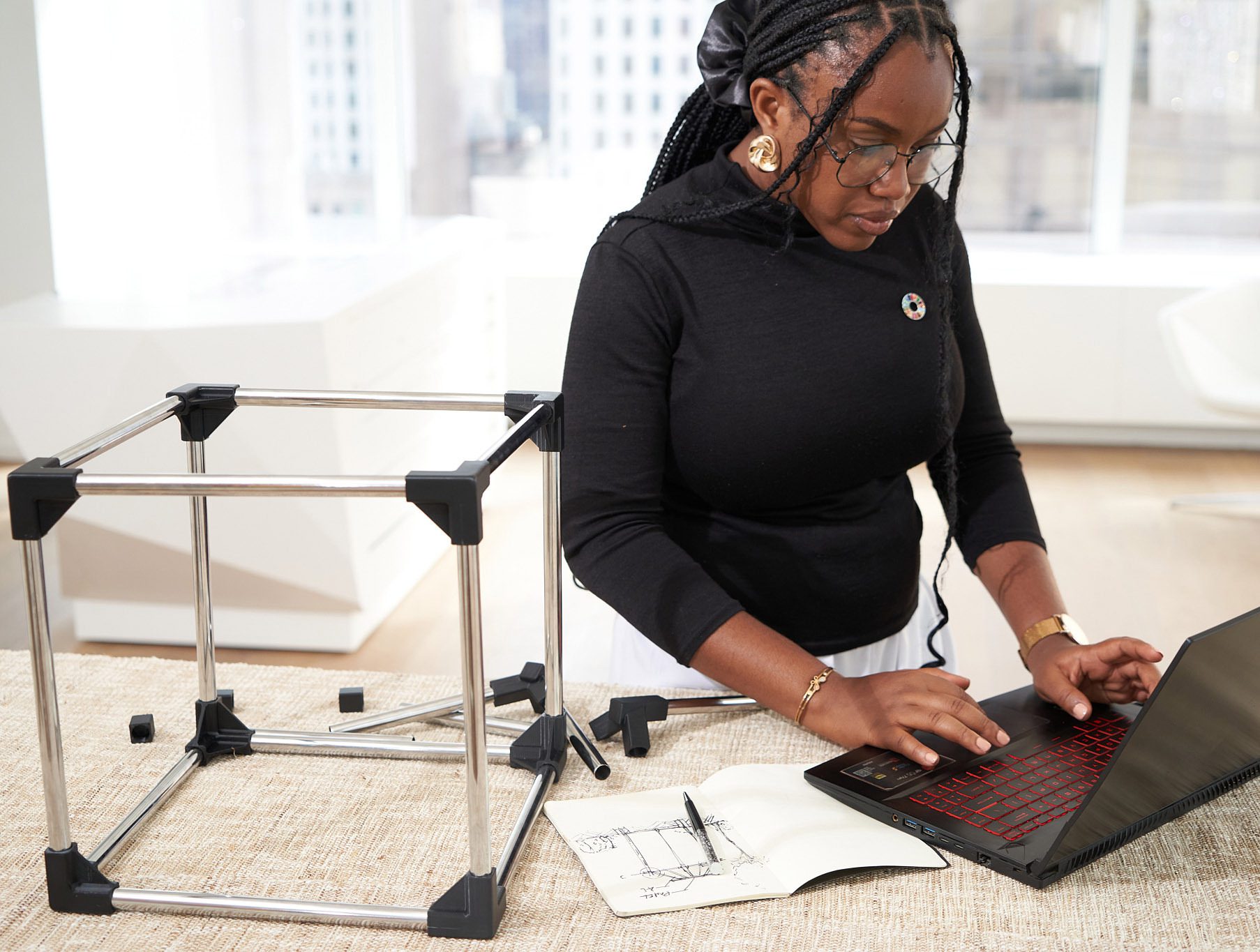
2025 Alumni Blossom Eromosele
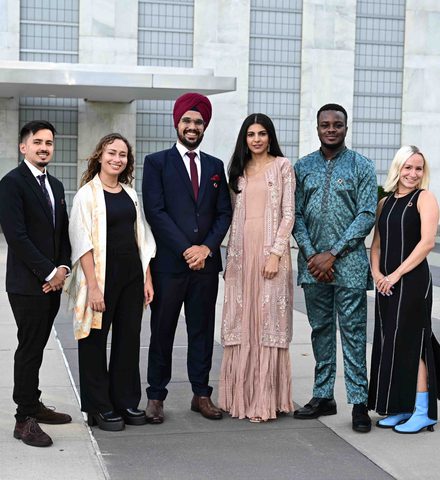
This is the belief behind Creatives For Our Future (CFOF), a global programme created by the Swarovski Foundation in collaboration with the United Nations Office for Partnerships. Now entering its fifth cycle, CFOF supports the next generation of creative leaders who are using their practice to drive sustainable development.
Applications open 9 September
From 9 September to 9 November 2026, creatives aged 21–30 from anywhere in the world are invited to apply. The programme is open to individuals working across disciplines including fashion, design, art, architecture, technology and engineering, whose projects use creativity to accelerate awareness, develop solutions or drive progress towards the UN Sustainable Development Goals.
Six selected participants will each receive a €20,000 grant, alongside an immersive week in London featuring workshops, collaborative experiences and exclusive activations. Over the following year, participants will also benefit from a tailored development programme featuring one-to-one mentorship, expert-led masterclasses and networking opportunities with leading professionals.
Whether an idea is at an early concept stage or already developed and ready to scale, CFOF is looking for creative projects with the potential to generate meaningful social, environmental or cultural impact.
Creativity in action
The impact of CFOF can already be seen across its alumni community, with projects demonstrating how creativity can be applied to some of the world's most urgent challenges.
The 2025/26 cohort, the programme's fourth cohort, includes creatives working across sustainable housing, circular materials, accessibility, regenerative design, e-waste and climate-resilient architecture.
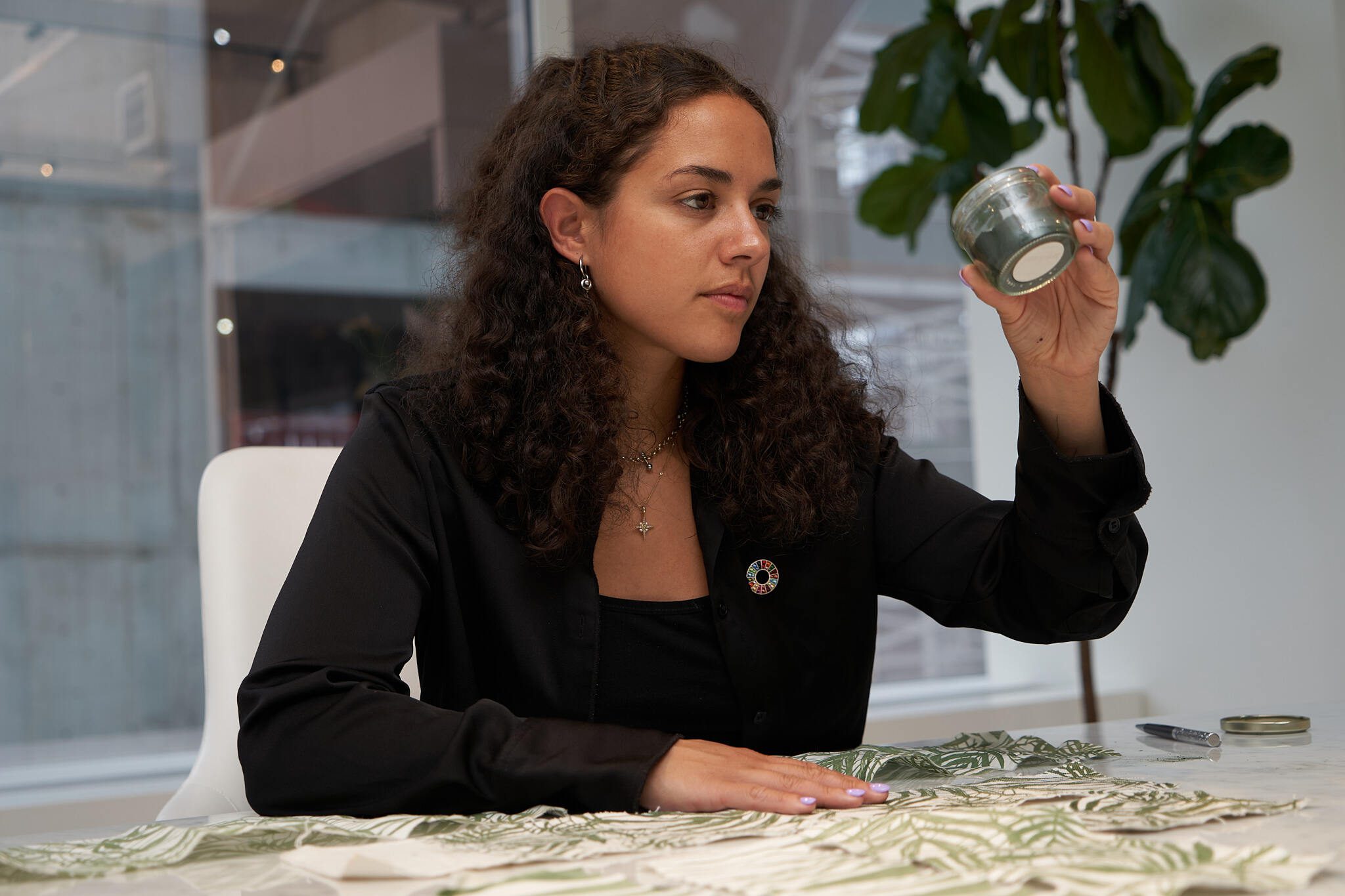
2025 Alumni Aurélie Fontan
In Nigeria, Blossom Eromosele is transforming refugee housing through AllSpace Modular Home, a low-cost, solar-powered shelter made from recycled materials and designed to provide adaptable, sustainable housing for displaced communities.
In Egypt, Moemen Sobh is turning ocean waste into new possibilities through Visenleer, producing zero-emission textiles from discarded fishing nets and fish skin while creating new livelihood opportunities for coastal communities.
Indonesia-based Azra Firmansyah is using wearable technology to make music more accessible through Svaika, a device that translates sound into tactile sensations, enabling Deaf people to experience music, rhythm and beats.
And in the UK, Aurélie Fontan is exploring a regenerative approach to textile dyeing through Regen Ink. By cultivating plants on polluted land, her project aims to clean contaminated soil while producing natural, biodegradable pigments for the fashion and creative industries.
Other alumni are tackling equally complex challenges. Barimah Asare developed Project Hivemind, an external graphics card enclosure designed to extend laptop lifespans by up to three years and reduce unnecessary electronic waste, while Mangesh Kurund is developing bio-integrated building cladding that uses algae and moss to absorb carbon, purify air and cool urban environments.
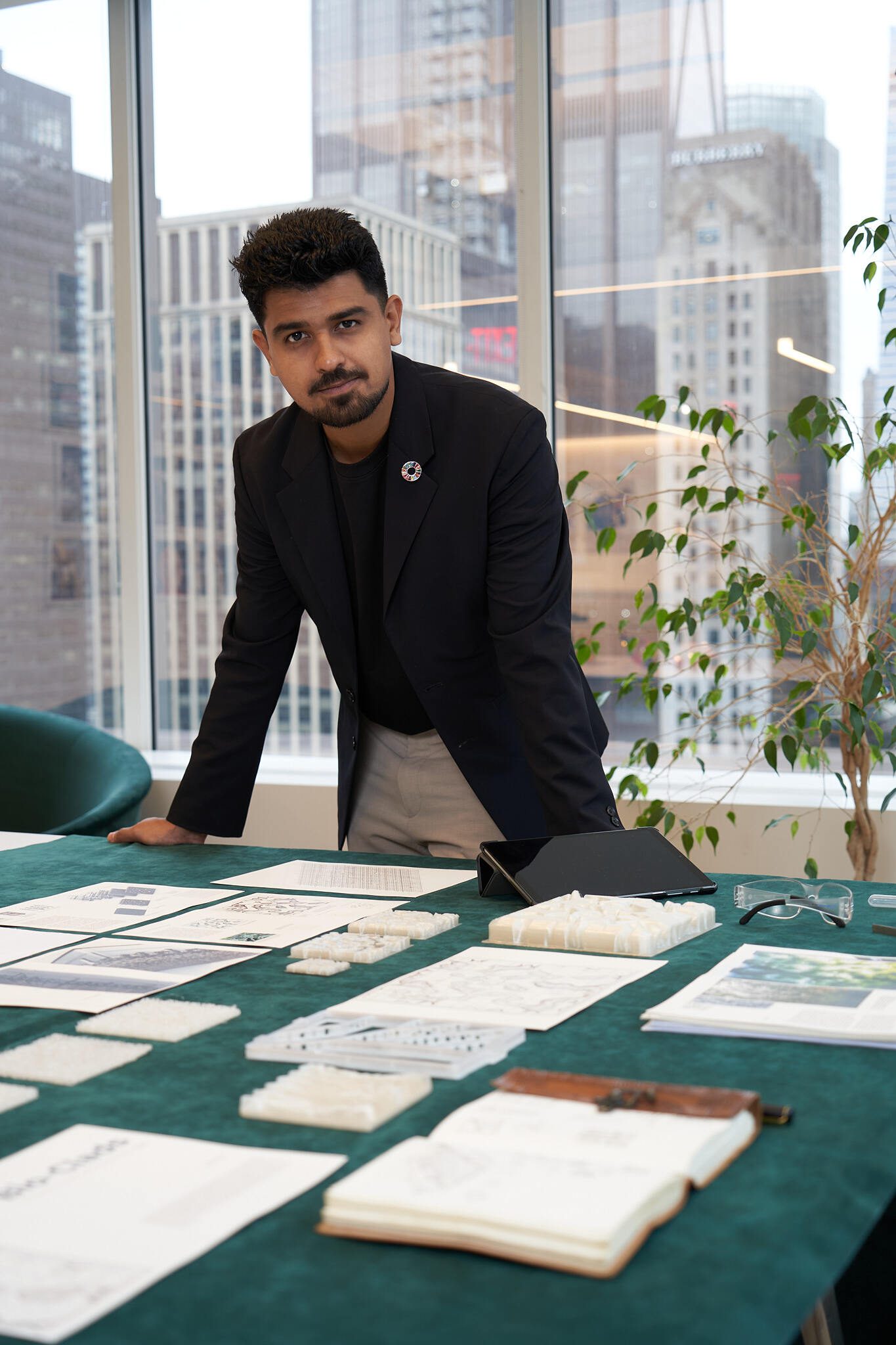
2025 Alumni Mangesh Kurund
The impact of earlier cohorts is equally powerful. Nigerian geoscientist and entrepreneur Joshua Ichor developed a water-monitoring system and, with support from CFOF, expanded his work to improve water access through a kiosk providing 50,000 litres of water a day to 10,000 people. US-based designer Noemi Florea developed Cycleau, a greywater recycling system that progressed from concept to working prototype with programme support and is now installed on Governors Island in New York.
Together, these projects demonstrate the breadth of creativity within CFOF — and what can happen when emerging creatives are given the funding, expertise and networks to take ambitious ideas further.
At its heart, CFOF is about empowering a new generation of creative leaders to challenge existing systems, develop innovative solutions and contribute to a more sustainable future.
Applications for the fifth cycle of Creatives For Our Future open on 9 September 2026 and close on 9 November 2026.
Find out more and apply at creatives.swarovskifoundation.org.